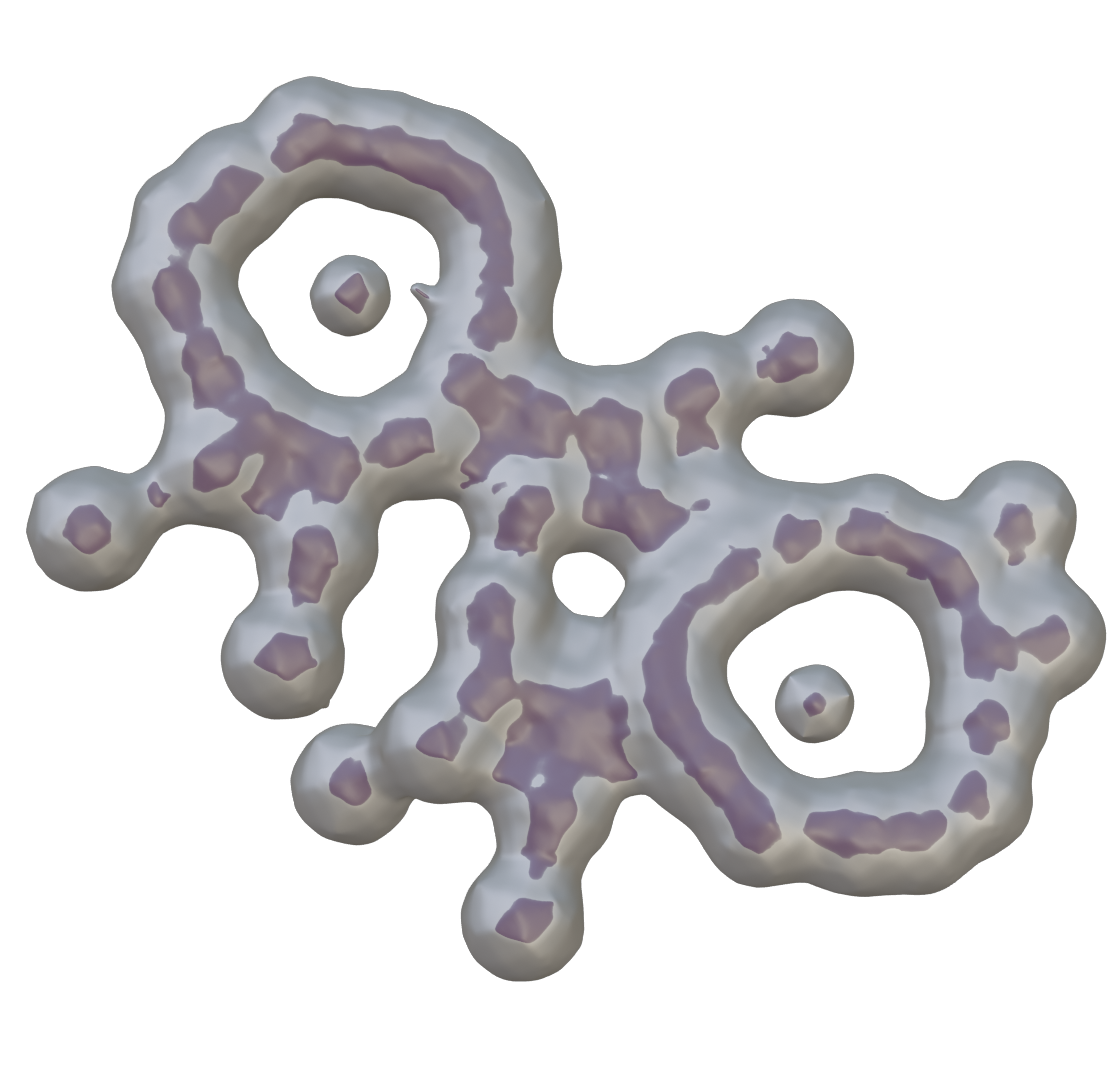
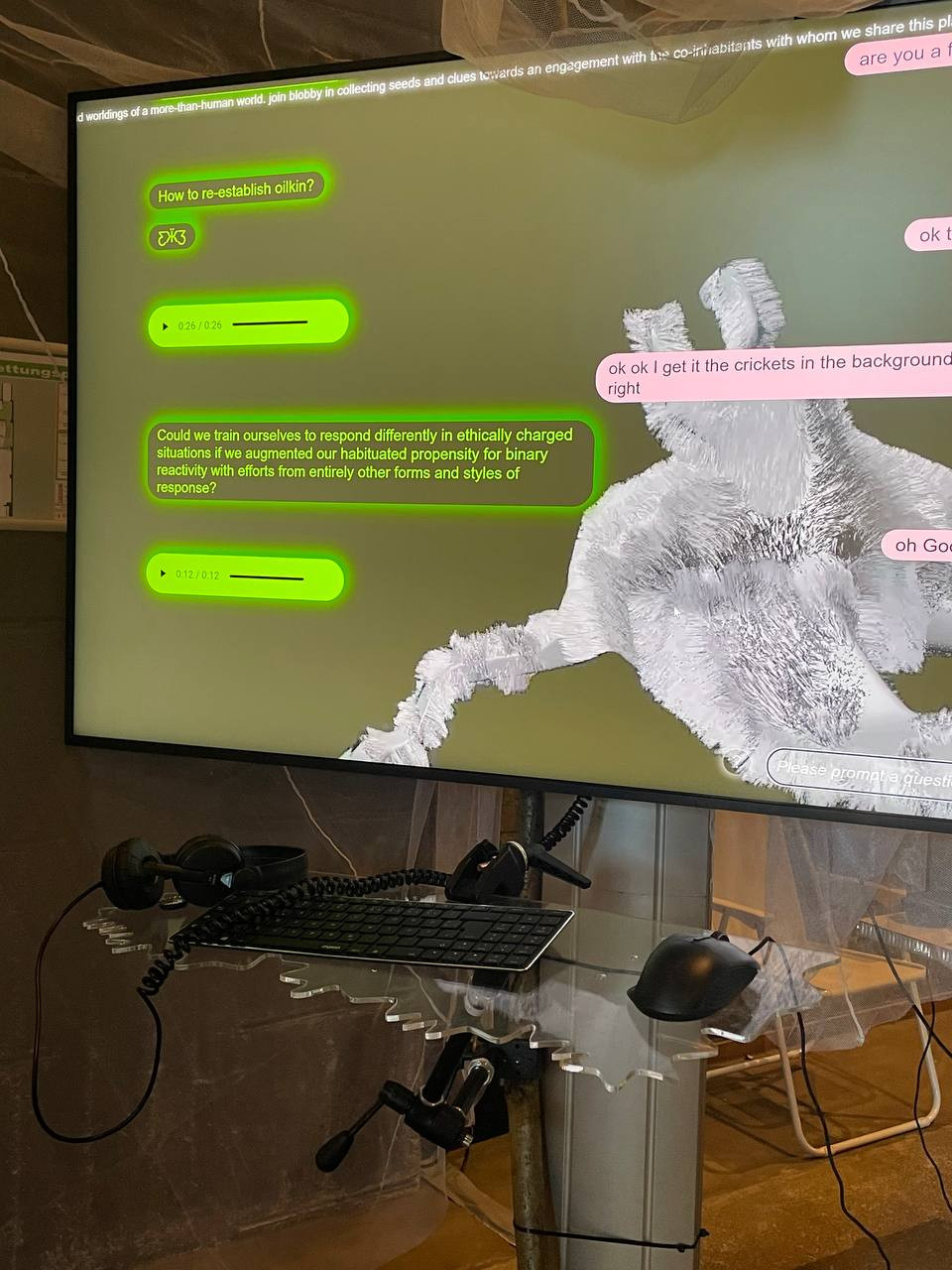
How to include non-anthropocentric stances in transformation processes? What if we could gather facts, fictions, stories, figures, findings to develop an artificial intelligence based on their perspectives?
The involvement of multispecies perspectives is urgently needed in discourses around social and ecological transformation, the climate catastrophe, mass extinction …
Unfortunately, other entities are usually not invited to take part in these critical decision making affecting their futures. Obviously, a database cannot replace animal subjects or other entities speaking for themselves. But this absence could be made visible through a substitutional language model functioning as a placeholder as well as a fictional consultant, trained to trick ourselves into non-anthropocentric worldviews and worldings.

Do animals feel embarrassed? When?
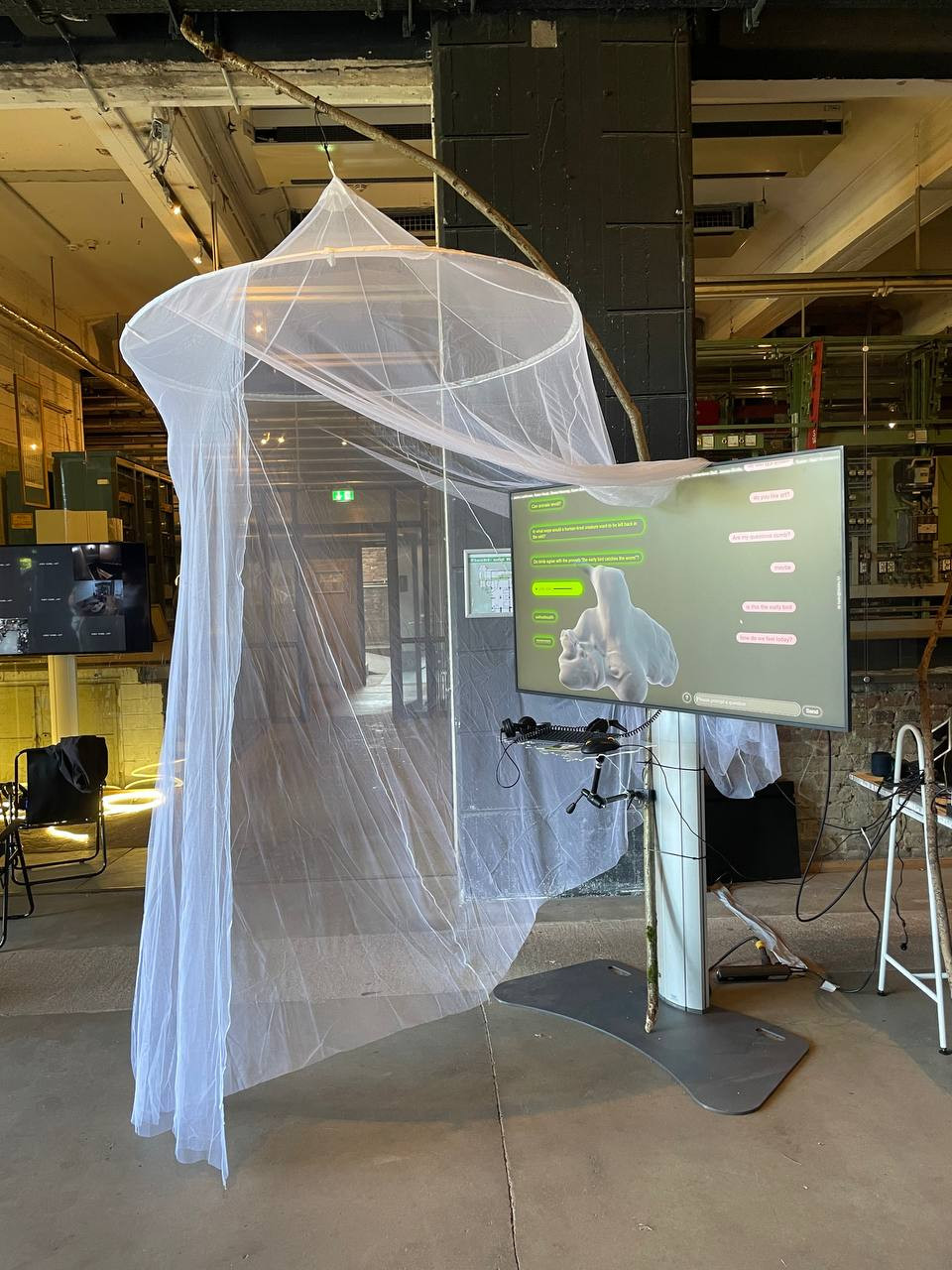
How to reach consent on decoding / translating animal language into human language?

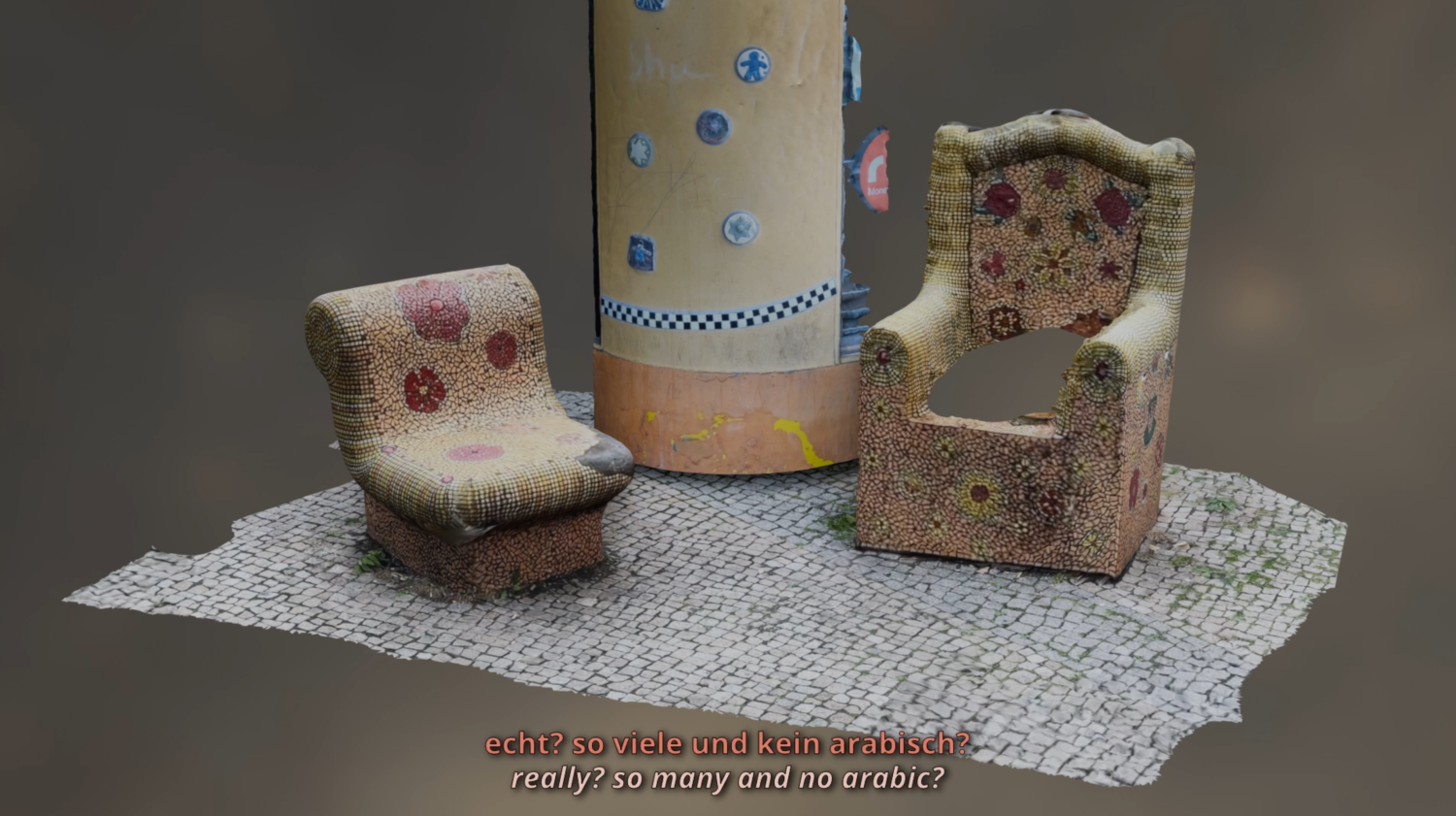
A bag of instant noodles is floating in space; a map made of cobblestone folds itself into a winged creature taking off. Voices, perspectives, fragments of urban actors—re-positioned in a digital realm—are having a chat. kra yum yum is an essayistic exploration of the urban space of Berlin Neukölln and its inhabitants, human and more-than-human alike.
Neukölln, with its 307,275 inhabitants from 160 nations, is one of the most densely populated districts of Berlin. It is often portrayed in the media as a dangerous and criminalized neighborhood, leading to its residents' voices being unheard and thus reinforcing harmful stereotypes.
For each element of life, infrastructure, and cohabitation, there are stories, knowledge(s), and belief systems that correspond and express themselves—stories of collaboration, opinions, and struggles for resources and recognition. The short film brings together a set of samples from journeys into the remains of third spaces in the city and reflects upon their richness, using 3D scanning as a field recording method.